7 Mistakes You’re Making with WordPress Security (and How to Fix Them in 2026)
 Steven Dey
It’s 2026, and if you think WordPress security is just about installing a plugin and moving on, I’ve got some bad news for you. The landscape has changed. Hackers aren't just kids in basements anymore; they are sophisticated AI-driven botnets capable of scanning millions of sites for a single line of outdated code in seconds.
I’m Steven Dey, and here at Shadowtek, we see it every day. Business owners come to us after their site has been defaced, their SEO rankings have plummeted, or worse, their customer data has been leaked. Most of the time, these disasters could have been prevented by avoiding a few common pitfalls.
WordPress powers nearly half the internet for a reason: it’s flexible and powerful. But that popularity makes it a massive target. If you’re running a business in 2026, you can’t afford to be "casual" about your digital storefront.
Here are the seven biggest mistakes we see people making with WordPress security right now and, more importantly, how you can fix them before the bots find you.
1. The "I’ll Do It Later" Update Syndrome
We’ve all seen the notification: “A new version of WordPress is available.” Or the little red circles next to your plugins list. It’s easy to ignore them when you’re busy running a business, but in 2026, this is the #1 way sites get hacked.
Statistics show that over 90% of WordPress vulnerabilities are found in plugins, not the core software. When a developer releases an update, they often include a "security patch." This is essentially a public announcement to hackers saying, "Hey, here is the hole we just fixed." If you don't update immediately, you’re leaving a map to your front door under the mat.
The 2026 Fix:
Enable automatic updates for minor releases, but don't just "set and forget." For critical business sites, you need a staging environment where updates are tested before going live. If this sounds like too much work, our WordPress maintenance plans handle this for you, ensuring your site stays current without breaking your design.
2. Using "Admin" and Weak Passwords
You’d be surprised how many people still use "admin" as their username or a password like "Company2026!". In the age of AI-powered brute force attacks, these are cracked in milliseconds. Hackers don't sit there guessing; they use scripts that try thousands of combinations per second.
If your username is "admin," you've already given the hacker 50% of the credentials they need to take over your site.
The 2026 Fix:
First, delete any user with the name "admin." Create a unique, non-obvious username. Second, use a password manager to generate 16+ character strings of random gibberish. Most importantly, you must use Two-Factor Authentication (2FA). Even if a hacker gets your password, they won't have the physical device needed to generate the secondary code.
3. Sticking with $2/Month Shared Hosting
This is a big one. Many SMBs start on cheap, shared hosting because it's budget-friendly. But in 2026, the risks of shared hosting far outweigh the savings. On a cheap shared server, you are living in an apartment building where nobody locks their doors. If your "neighbor" on the server gets hacked, the infection can spread through the local network to your site.
Cheap hosts often skimp on server-level security, leaving the heavy lifting to you.
The 2026 Fix:
Switch to Managed WordPress Hosting. At Shadowtek, we use LiteSpeed-powered servers integrated with Imunify360. This doesn't just block attacks; it proactively cleans malware and uses AI to identify suspicious behavior before it hits your site. When you combine this with a Global CDN like Cloudflare, you’re not just getting speed: you’re getting a fortress.
4. The Trap of "Nulled" Themes and Plugins
We get it: premium plugins can get expensive. It’s tempting to download a "nulled" (cracked) version of a popular theme or plugin for free.
Here is the truth: almost every nulled plugin contains a "backdoor." The person who cracked it didn't do it out of the goodness of their heart. They did it so they could inject malicious code, steal your lead data, or use your server to send spam emails. You might save $50 today, but it could cost you thousands in malware removal tomorrow.
The 2026 Fix:
Only download from the official WordPress repository or reputable developers. If a premium plugin is out of budget, look for a reputable free alternative or consider it an investment in your business’s security.

Caption: A secure WordPress dashboard showing all plugins updated and no security warnings.
5. Neglecting File Permissions
WordPress files need specific "permissions" to run correctly. If these are set incorrectly, you might be giving a visitor the ability to edit your system files.
The standard rule is 755 for folders and 644 for files. However, many people leave their wp-config.php file (the one that contains your database password!) wide open. This is like leaving your bank account details on a sticky note in a coffee shop.
The 2026 Fix:
Audit your file permissions. Your wp-config.php file should be set to 600 or 640 to prevent unauthorized reading. If you aren't comfortable editing files via FTP or SSH, a professional managed hosting provider will usually have these hardened by default.
6. Relying Solely on "Security Plugins"
Don't get me wrong, plugins like Wordfence or Sucuri are great. But relying only on a plugin is a mistake. Security plugins live inside WordPress. If a hacker exploits a vulnerability at the server level, they can bypass your plugin entirely.
Furthermore, heavy security plugins can slow down your site, affecting your SEO and user experience.
The 2026 Fix:
Move your security to the "edge." By using a service like Cloudflare and server-side protection like Imunify360, you stop threats before they even reach your WordPress installation. This keeps your site fast and significantly more secure. You can read more about why this matters in our comparison of Imunify360 vs Security Plugins.
7. Having No Disaster Recovery Plan
The final mistake is assuming that "it won't happen to me." Even the most secure sites can face issues. The real tragedy isn't getting hacked; it's getting hacked and realizing your last backup was from three months ago.
If your site goes down, how long can your business survive? If you’re an e-commerce store, every hour is lost revenue.
The 2026 Fix:
You need an off-site backup strategy. Your backups should not be stored on the same server as your website. At Shadowtek, we perform daily off-site backups so that if the worst happens, we can restore your site in minutes, not days.
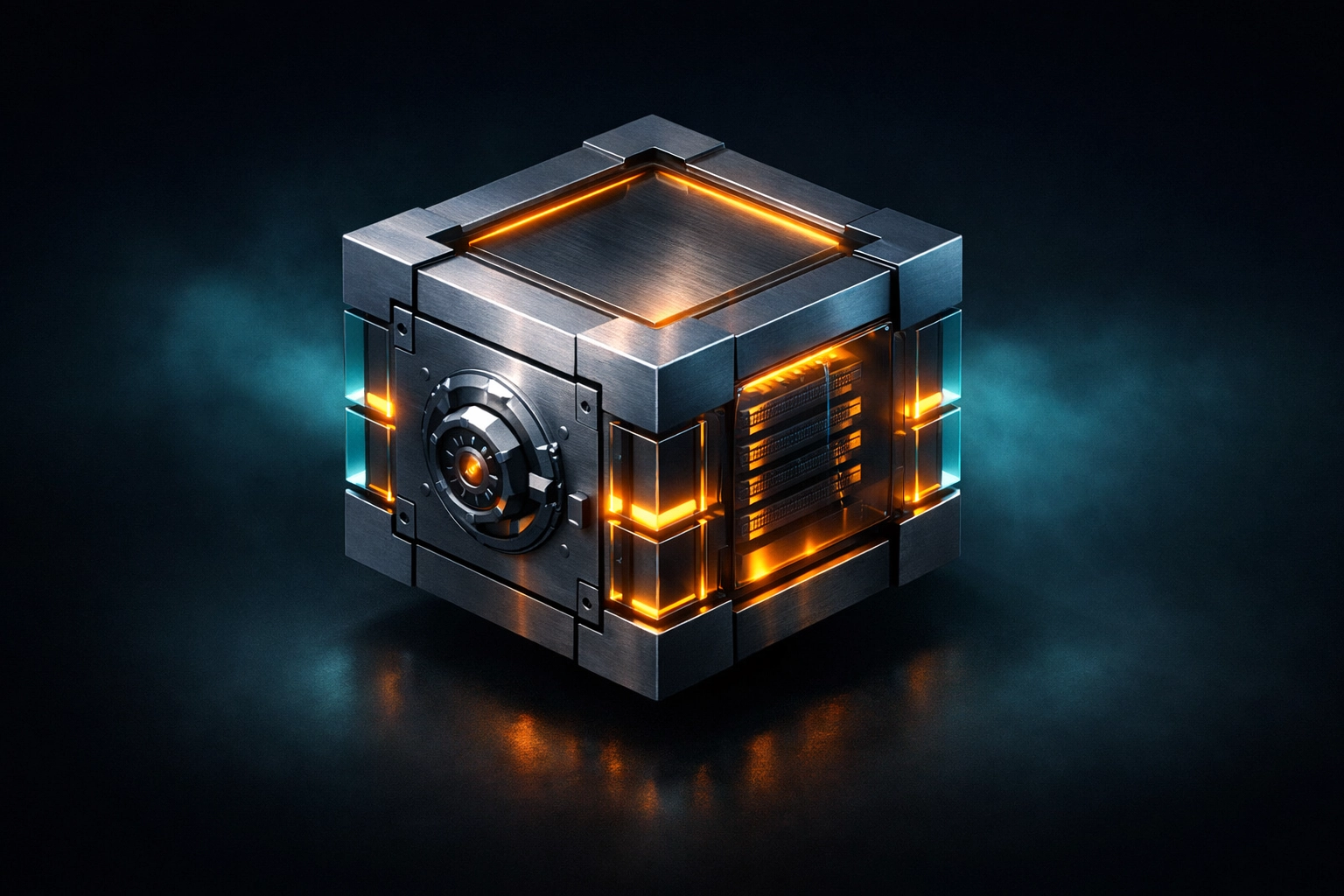
Caption: A conceptual visual of a digital "vault" representing secure off-site backups for business data.
Why 2026 is Different
The "old ways" of securing a site are failing. We are seeing more headless WordPress builds and AI-integrated tools that introduce new types of vulnerabilities. For example, the rise of AI productivity agents has created a new security nightmare if they aren't configured correctly.
Security is no longer a one-time setup. It’s an ongoing process of monitoring, updating, and hardening.
Is Your Site Vulnerable?
If you haven't checked your site's health in a while, now is the time. Don't wait until you see the "This site may be hacked" warning in Google search results. By then, the damage to your brand reputation is already done.
At Shadowtek, we specialize in fortified WordPress solutions. We don't just build pretty websites; we build high-performance digital assets that are engineered to stay online and stay secure. From our LiteSpeed hosting to our comprehensive maintenance plans, we take the technical headache off your plate so you can focus on growing your business.
Ready to secure your business for the future?
Check out our full range of Shadowtek Services or get in touch with us today to audit your current setup. Let's make sure your site is a fortress, not a liability.
Internal Note for Social Media Team:
Hey Sonny, just published the new security guide: "7 Mistakes You're Making with WordPress Security (and How to Fix Them in 2026)". It’s a deep dive into 2026 security trends, Imunify360, and why cheap hosting is a killer for SMBs.
URL: https://shadowtek.com.au/blog/7-mistakes-youre-making-with-wordpress-security-and-how-to-fix-them-in-2026